The Science Behind Affirmations: How Neuroplasticity and the RAS Make Manifestation Work
Explore the neuroscience behind affirmations. Learn how neuroplasticity rewires your brain and how the reticular activating system filters reality to support your goals.
Introduction
For many, the idea that simply repeating positive statements can change your life sounds too good to be true. Yet the techniques used in manifestation practices like the 5x55 method have clear parallels with established concepts in neuroscience and psychology. These fields offer a plausible scientific framework for why affirmations can be effective at changing a person’s mindset, behavior, and life outcomes.
Neuroplasticity: Rewiring Your Brain
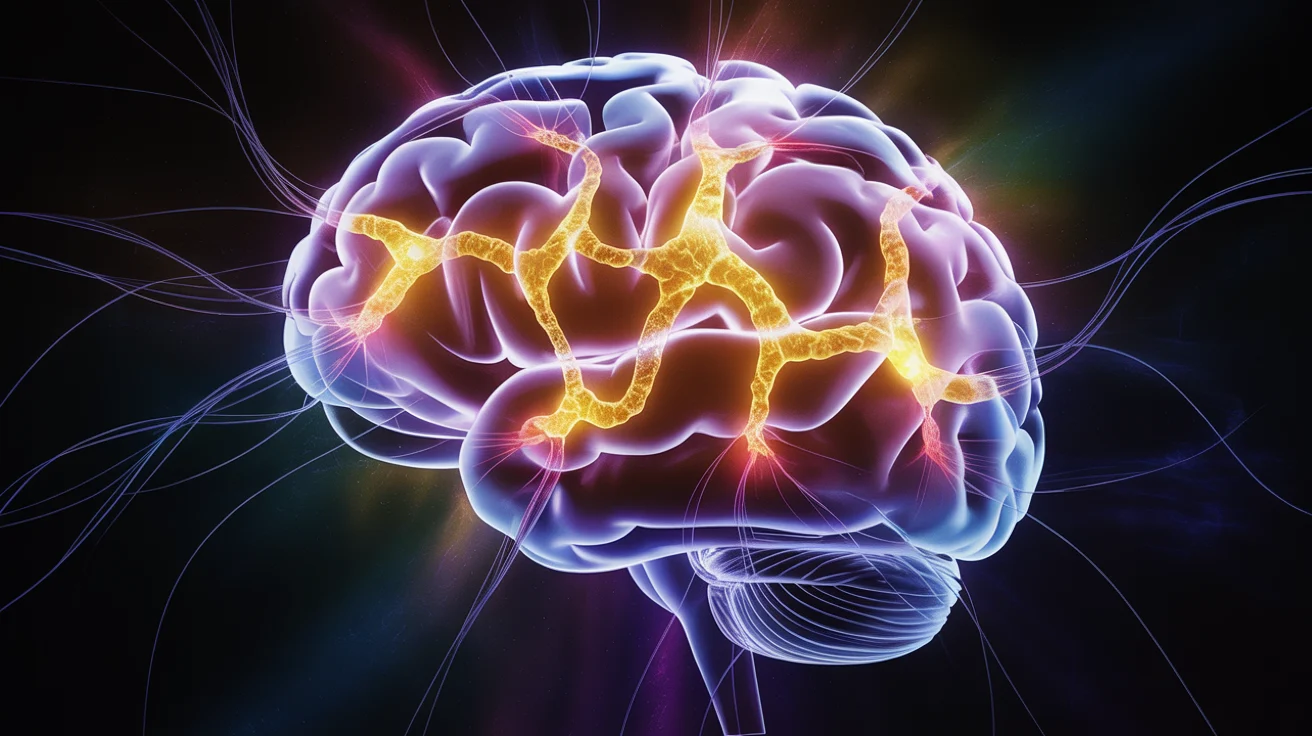
Neuroplasticity is the brain’s remarkable ability to reorganize itself by forming new neural connections throughout life. This “rewiring” happens in response to our thoughts, emotions, behaviors, and experiences. When you repeatedly think a thought or perform an action, the neural pathway associated with it becomes stronger and more efficient — a principle often summarized as “neurons that fire together, wire together.”
Affirmations are a tool to intentionally direct this process. By consistently repeating a positive statement — such as in the 5x55 method — you are actively creating and strengthening a new, positive neural pathway. Over time, this new pathway can become more dominant than old, negative, and self-limiting ones.
Research published in the journal Social Cognitive and Affective Neuroscience shows that focusing on positive self-related information activates the ventral striatum, a key part of the brain’s reward system. This activation can increase motivation, regulate emotions, and make it easier to engage in behaviors that align with your goals.
The Reticular Activating System (RAS)
The Reticular Activating System (RAS) is a bundle of nerves in the brainstem that acts as a filter for the vast amount of sensory information we encounter every moment. The brain processes millions of bits of data per second, but our conscious mind can only handle a fraction. The RAS is the gatekeeper that decides what gets through, and it prioritizes information based on what it deems important — which is determined by our beliefs, focus, and goals.
This is why when you decide you want a specific model of car, you suddenly start seeing it everywhere. The number of those cars hasn’t increased; your RAS has simply been “programmed” to flag that information as relevant.
In the context of manifestation, setting clear intentions and repeatedly focusing on your goals through affirmations trains your RAS to filter your reality for corresponding opportunities, resources, and information. It’s not that you magically attract things, but rather that your brain becomes highly attuned to noticing what was already there.
Self-Affirmation Theory
Developed by social psychologist Claude M. Steele, self-affirmation theory provides a robust psychological explanation for the benefits of affirmation practices. The theory posits that people are fundamentally motivated to maintain a sense of self-integrity — a perception of themselves as competent, moral, and good.
Self-affirmation interventions work by having individuals reflect on and affirm core personal values. This act broadens their perspective of self-worth, making specific threats seem less significant. Research has shown that affirmed individuals are:
- Less defensive and more open to challenging information
- Less stressed, showing lower physiological stress responses including cortisol levels
- More likely to engage in positive behavioral change
Studies have demonstrated that self-affirmation interventions can improve academic performance in students experiencing stereotype threat, promote healthier behaviors, and help people manage stress more effectively.
Why the 5x55 Method Works
The 5x55 method leverages all three of these mechanisms simultaneously. By writing an affirmation 55 times for 5 days, you are:
- Building new neural pathways through repetitive, focused thought
- Programming your RAS to notice opportunities aligned with your intention
- Affirming your core sense of self-worth, reducing resistance and opening you to change
The physical act of handwriting adds another layer: it engages fine motor skills and multiple brain regions simultaneously, creating a deeper encoding of the information compared to typing or simply reading.
Conclusion
While the Law of Attraction itself lacks formal scientific validation, the core practices it employs — repetition, focused intention, positive self-talk, and emotional engagement — are well-supported by neuroscience and psychology. Understanding the science behind affirmations can deepen your practice and give you confidence that you are engaging in evidence-informed techniques for personal transformation.
Put This Knowledge Into Practice
Start your 5x55 manifestation journey today with our free tracker.
Start Your 5x55 Practice